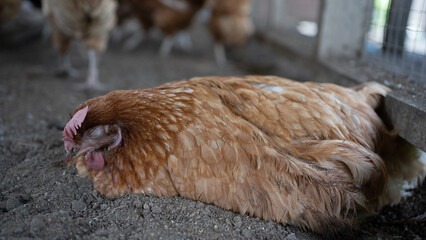
Coccidiosis in chickens is one of the most common and devastating diseases on poultry farms, affecting nearly every flock at some point. Caused by protozoa from the Eimeria genus, this parasitic infection attacks the intestinal lining of chicks and chickens, leading to poor nutrient absorption, dehydration, and, if left untreated, even death. With its high contagion rate, understanding how to prevent and treat coccidiosis is crucial to maintaining a healthy and thriving flock.
What is Coccidiosis?
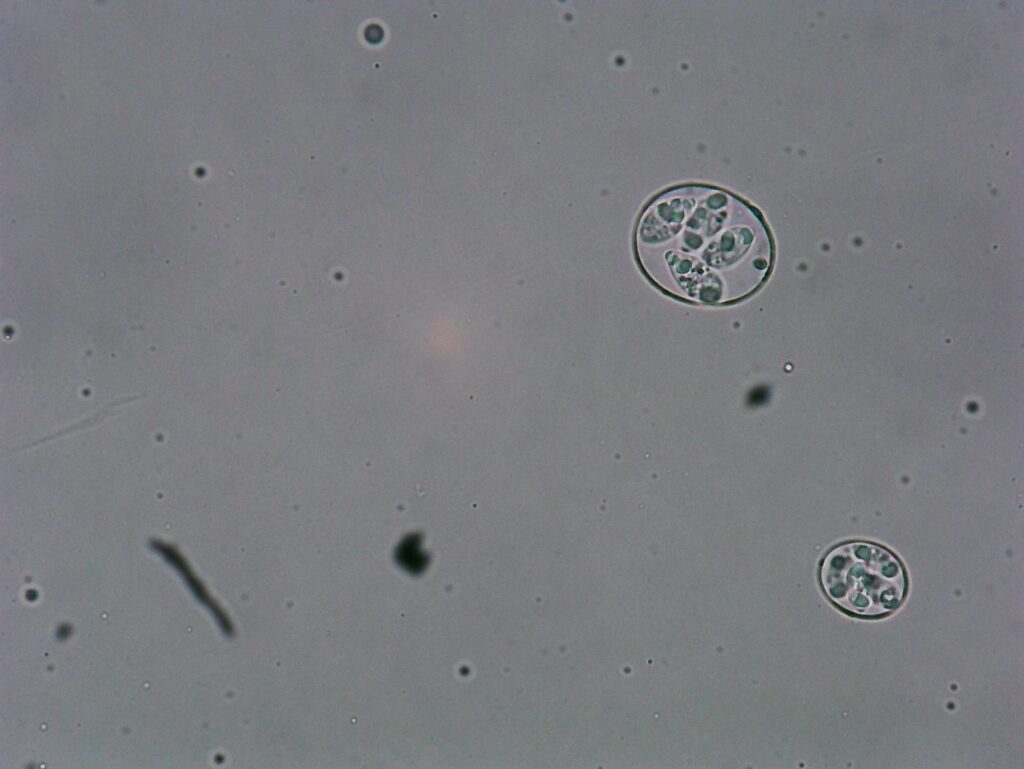
Coccidiosis is a highly contagious intestinal disease caused by microscopic protozoan parasites from the Eimeria genus. These parasites spread through the environment via infected droppings, making it easy for chickens to contract the disease. The infection can be transmitted when chickens ingest contaminated feed, water, or soil, often unknowingly, which introduces the protozoa into their digestive systems.
Once inside the body, the Eimeria protozoa travel to the small intestines, where they begin to multiply rapidly. As they reproduce, they invade and damage the cells of the intestinal lining. This damage disrupts the gut’s ability to absorb nutrients effectively, leading to malnutrition and dehydration. In severe cases, the damage can become so extensive that it leads to bleeding, severe weight loss, and even death.
Coccidiosis is particularly dangerous for young chicks with underdeveloped immune systems. However, adult chickens can also be affected, especially when they are living in poor conditions or are under stress. As the infection progresses, it weakens the bird’s overall health, making it more susceptible to secondary infections.
Because of the parasite’s rapid spread and the significant damage it can cause, coccidiosis requires prompt attention and treatment. Without proper care, the consequences for the flock can be severe.
At What Age Are Chickens at Risk?
Coccidiosis in poultry primarily targets chicks between 3 and 8 weeks of age, as this is a critical period when their immune systems are still developing and not yet fully equipped to fight off infections. During this time, chicks are especially vulnerable to the Eimeria parasites, as their intestinal lining is still maturing, and they may not have built up enough natural defenses to resist parasitic invasion. The disease is most common in young birds because they have not yet developed the immunity needed to cope with environmental pathogens like coccidiosis.
However, older chickens are not immune to coccidiosis. While adult birds typically have stronger immune systems due to previous exposure to the parasites, they can still contract the disease under certain conditions. Stress, such as from overcrowding, changes in diet, poor management practices, or adverse weather conditions, can weaken a chicken’s immune system, making it more susceptible to infection. Additionally, if an adult bird has not been exposed to the specific Eimeria species circulating in the environment, it may lack immunity to that strain and can contract coccidiosis. Immunocompromised chickens, such as those recovering from illness or injury, are also at a higher risk. In these cases, coccidiosis can lead to more severe symptoms due to the bird’s inability to mount an effective immune response.
Common Species of Coccidia in Chickens
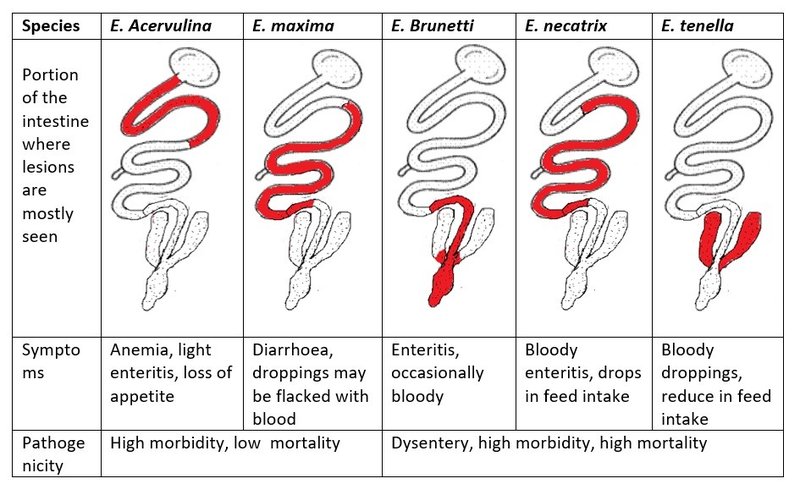
Coccidiosis in chickens is caused by various species of Eimeria, each of which targets different parts of the chicken’s digestive system. Understanding the specific species of Eimeria and the age groups they commonly affect can help poultry owners identify and manage the infection more effectively. Here is an overview of the nine common species of Eimeria that infect chickens:
Frequently Encountered Species
- E. acervulina – The most common Eimeria species in chickens. It affects chicks between 2 to 4 weeks old. It damages the upper small intestine, causing lethargy, weight loss, and poor nutrient absorption.
- E. maxima – Common in young chickens, primarily 3 to 5 weeks old. It affects the middle small intestine, leading to poor digestion, slow growth, and general flock health decline.
- E. mitis – Affects chickens of any age. It typically causes mild infections in the lower small intestine, resulting in diarrhea, dehydration, and weight loss.
- E. mivati – Primarily infects chicks between 3 to 5 weeks old. It causes lesions in the small intestine, leading to poor appetite, lethargy, and stunted growth.
- E. necatrix – A widespread species that affects maturing chickens. It causes severe damage to the middle and upper small intestine, leading to bloody diarrhea, extreme weight loss, and, in severe cases, death.
- E. tenella – One of the most well-known and dangerous species. It primarily affects chicks between 4 to 6 weeks old. It attacks the ceca, causing severe lesions, bloody diarrhea, dehydration, and potentially high mortality rates.
Less Common but Notable Species
- E. brunetti – Mostly affects older birds. It damages the ceca and rectum, causing bloody diarrhea and dehydration.
- E. hagani – Rare but can infect chickens of various ages. It causes mild to moderate intestinal lesions.
- E. praecox – Primarily infects chicks between 3 to 5 weeks old. It tends to cause mild infections but can still impact growth and overall health.
Managing Coccidiosis Risks
By understanding the specific species of Eimeria that affect your flock, you can be more proactive in preventing and treating coccidiosis. Age-specific risks and the types of lesions each species causes help guide appropriate prevention strategies, such as vaccination, medicated feed, and good biosecurity practices. Recognizing the symptoms early for each species can ensure timely treatment, protecting your birds from serious illness or death. Knowing which Eimeria species may be present in your flock helps with targeted prevention and treatment. Using medicated feed, maintaining good biosecurity, and monitoring for symptoms can significantly reduce the risk of severe outbreaks. Early recognition and intervention are key to protecting your flock from illness and potential losses.
Preventing Coccidiosis in Chickens
The best way to combat coccidiosis is to prevent it before it starts. Implement these measures to keep your flock healthy and reduce the risk of infection.
Maintain a Clean and Dry Environment
- Use Medicated Chick Feed: Starter feed with amprolium helps chicks build resistance by limiting the parasite’s ability to absorb thiamine. This allows their immune system to develop without a full-blown infection. Always follow manufacturer instructions for safe use.
- Keep Bedding Dry and Clean: Moisture promotes coccidia growth. Regularly change bedding, use absorbent materials like pine shavings, and ensure proper ventilation. Deep litter management or sand bedding can also help control moisture.
- Practice Good Biosecurity: Coccidia spreads through contaminated equipment, shoes, and new birds. Disinfect footwear before entering the coop, limit visitors, and quarantine new birds before adding them to the flock.
Strengthen Immunity and Reduce Exposure
- Provide Clean Water and Feed: Contaminated feed and water can spread coccidiosis quickly. Use elevated feeders and waterers to prevent fecal contamination. Clean them regularly and avoid feeding wet or moldy food.
- Gradually Expose Chicks to Soil: Complete isolation isn’t ideal, as mild exposure helps build immunity. Introduce chicks to clean, dry soil in small amounts rather than all at once. This prevents an overwhelming parasite load.
- Use Probiotics and Supplements: A strong gut microbiome helps chickens fight infections. Adding probiotics, apple cider vinegar (1 tablespoon per gallon of water), oregano, or garlic can support gut health and boost immunity.
By following these steps, you can reduce the risk of coccidiosis and keep your flock healthy and thriving.
Natural Prevention Methods for Coccidiosis
For those who prefer herbal and natural preventatives, there are several options to help reduce the risk of coccidiosis in your flock. While these methods may not completely replace traditional treatments, they can be an effective part of an overall management strategy.
Herbal Remedies
- Oregano: Known for its antimicrobial properties, oregano is a powerful herb that can help prevent coccidiosis in poultry. It contains compounds like carvacrol and thymol, which are believed to have a natural anti-parasitic effect. You can add dried oregano to your chickens’ feed or offer it fresh in their diet. Studies have shown that oregano may help boost immune function, making it a great preventive measure for a healthy flock.
- Cinnamon: Cinnamon is another herb that has shown potential in supporting poultry health. Its natural antifungal and antibacterial properties can help keep harmful pathogens at bay, including those that may contribute to coccidiosis. Adding small amounts of cinnamon to your chickens’ feed or even dusting it in their bedding can help keep parasites in check. However, be cautious not to overdo it, as too much cinnamon can irritate their digestive systems.
- Garlic: Garlic is a potent natural remedy known for its broad-spectrum antimicrobial properties. It can help keep parasites at bay and boost your flock’s immune system. Adding crushed or minced garlic to their feed or water can be a simple and effective preventative measure against coccidiosis.
Gut Health
- Probiotics: A strong gut health system is key to preventing coccidiosis, and probiotics are an excellent natural option to support this. Probiotics contain beneficial bacteria that help maintain a healthy balance of microorganisms in the digestive tract, preventing harmful pathogens from gaining a foothold. Adding probiotics to your chickens’ feed, either in powder form or through fermented feed, can help enhance their overall immunity and resistance to coccidiosis.
- Apple Cider Vinegar: Adding a small amount of apple cider vinegar to your chickens’ water can help maintain a healthy gut environment. The acidity can discourage harmful bacteria growth while promoting the growth of beneficial bacteria. It also helps with digestion, which in turn may support the overall health of the intestinal lining, making your chickens more resilient to coccidiosis.
While these natural methods can be beneficial, they are most effective when combined with proper flock management, such as maintaining clean housing, reducing overcrowding, and providing plenty of fresh water. Regularly monitoring your flock and staying alert to any signs of illness is key to preventing coccidiosis and ensuring your chickens stay healthy.
Affect of Coccidiosis in Chickens
Damage to the Intestinal Lining
Coccidiosis causes significant damage to the intestinal lining of affected poultry, disrupting the gut’s ability to function properly. The Eimeria parasites invade and multiply within the intestinal cells, leading to inflammation and destruction of the mucosal lining. This damage impairs the bird’s ability to absorb nutrients effectively, which can result in a variety of serious health issues.
One of the most noticeable consequences of this disruption is stunted growth in chicks, as their bodies are unable to absorb the essential nutrients they need to develop properly. In adult birds, this nutrient deficiency can lead to weight loss and weakness, as they fail to get the energy they need to maintain normal bodily functions. Infected birds may also exhibit lethargy and reduced activity due to their lack of nourishment and energy.
The compromised gut also leads to dehydration, as the intestines are unable to absorb water and electrolytes effectively. Dehydration can quickly become severe, leading to further weakness, and it increases the likelihood of death if left untreated. Malnutrition is another common symptom, as the bird’s digestive system can no longer properly process the food it consumes. This can cause a significant decline in overall health, with affected birds becoming more vulnerable to secondary infections and diseases.
Severe Symptoms and Economic Impact of Coccidiosis in chickens
In more severe cases of coccidiosis, hemorrhaging occurs in the intestines due to extensive damage caused by the parasites. This results in bloody diarrhea, which is one of the most alarming signs of advanced infection. The presence of blood in the droppings indicates that the intestinal damage has become significant, and the bird is at a high risk of death if the infection is not treated promptly.
In addition to these physical symptoms, coccidiosis can have serious effects on productivity. Infected hens may experience decreased egg production, as their bodies are too stressed and nutritionally deprived to maintain normal reproductive functions. This can result in a drop in egg production or the laying of poor-quality eggs.
Overall, coccidiosis poses a serious threat to poultry health. The disease can lead to severe physical consequences, including stunted growth, weight loss, weakness, dehydration, and malnutrition. In extreme cases, it can cause hemorrhaging, bloody diarrhea, and even death. The impact on productivity, such as reduced egg production, can also have economic consequences for poultry farmers. Early detection and treatment are essential to prevent these severe outcomes and to maintain the health and productivity of the flock.
Recognizing the symptoms of Coccidiosis in Chickens
Early detection of coccidiosis is crucial to preventing severe illness and protecting your flock. The sooner symptoms are identified, the faster you can take action to stop the disease from spreading. Below are common signs of infection to watch for.
Physical and Behavioral Changes
- Lethargy and Weakness: Infected chickens often appear sluggish and uninterested in normal activities. They may move less and spend more time sitting or resting.
- Loss of Appetite: A sudden lack of interest in food is one of the earliest warning signs. Affected birds may eat very little or refuse food altogether.
- Ruffled Feathers: Sick chickens may look unkempt, with fluffed-up or ruffled feathers. This often signals stress or discomfort.
- Huddling or Reluctance to Move: Infected birds may isolate themselves, huddle in corners, or resist moving due to pain or weakness.
Digestive and Circulatory Symptoms of coccidiosis in chickens
- Bloody or Watery Diarrhea: The most recognizable sign of coccidiosis is diarrhea, which may be bloody, watery, greenish, or mucousy. This occurs due to intestinal damage.
- Pale Comb and Wattles: Poor circulation and blood loss can cause the comb and wattles to appear pale or dull. This is a sign of dehydration or anemia.
- Dehydration: Birds with coccidiosis often lose fluids rapidly. Signs include sunken eyes, dry mucous membranes, and extreme lethargy.
Taking Action
If you notice these symptoms, act quickly. Isolate sick birds to prevent the spread of infection. Provide clean water with electrolytes and consider treating the flock with a coccidiostat like Amprolium (Corid). Early intervention improves recovery chances and helps protect the rest of your chickens.
Diagnosing Coccidiosis in Chickens
Recognizing Clinical Signs
Diagnosing coccidiosis in poultry requires careful observation of symptoms along with laboratory testing to confirm the presence of the parasite. Early signs include lethargy, poor appetite, weight loss, and ruffled feathers. Infected chickens may also develop diarrhea, sometimes containing blood or mucus, indicating damage to the intestinal lining and impaired nutrient absorption. However, these symptoms can also occur with other illnesses, making further testing essential. A veterinarian can perform a fecal flotation test to detect Eimeria oocysts in droppings, confirming the infection. In severe cases or after a bird’s death, a necropsy may be necessary to examine the intestines for characteristic lesions. Identifying the specific Eimeria species can help determine the best treatment and prevention strategies.
Laboratory Testing for Confirmation
A fecal flotation test is the most common diagnostic method. A veterinarian examines a sample of the bird’s droppings under a microscope to detect Eimeria oocysts (parasite eggs). A high oocyst count usually indicates a severe infection. To confirm the diagnosis, a veterinarian will typically perform a fecal flotation test, which involves taking a sample of the bird’s droppings and examining it under a microscope. This test allows the veterinarian to identify Eimeria oocysts (the eggs of the protozoa) in the feces, which is a clear indicator of coccidiosis. The number of oocysts found in the sample can also provide insight into the severity of the infection, as high oocyst counts often correlate with more severe cases.
In severe cases or after a bird’s death, a necropsy (post-mortem exam) may be performed. The veterinarian inspects the intestines for inflammation, ulceration, and bleeding caused by the parasites. A necropsy can also help identify the specific Eimeria species, which may guide treatment decisions. In cases where the infection is severe or the bird has already died, a necropsy (post-mortem examination) may be performed to further investigate the extent of the disease. During a necropsy, the veterinarian will carefully examine the bird’s intestines for characteristic lesions caused by the Eimeria parasites. These lesions are typically seen as areas of inflammation or ulceration in the intestinal lining, often accompanied by bleeding. The necropsy can also help determine which specific species of Eimeria is affecting the flock, as different species can cause varying levels of damage and require different treatment approaches.
Importance of Early Diagnosis
In summary, diagnosing coccidiosis in poultry involves a combination of recognizing clinical signs, performing a fecal flotation test to detect oocysts, and sometimes conducting a necropsy to confirm the diagnosis and determine the specific strain of the parasite. Early diagnosis and intervention are critical to preventing further spread and minimizing the impact of the disease on the flock. Combining symptom observation with lab testing ensures an accurate diagnosis. Early detection allows for quicker treatment, reducing the spread and severity of the disease in the flock.
Conventional Treatment of Coccidiosis in Chickens
If coccidiosis strikes your flock, prompt treatment is essential to minimize the damage caused by the parasites and to give your chickens a chance to recover. The most commonly used medication for treating coccidiosis is amprolium, which is sold under the brand name Corid. Amprolium works by inhibiting the growth of Eimeria parasites in the gut, helping to prevent further damage and giving the bird’s immune system time to mount a defense. Amprolium is most effective when administered through the drinking water, ensuring that all infected birds receive the appropriate dosage.
Amprolium Dosage Instructions:
- Liquid Corid 9.6% Solution: Add 2 teaspoons of the liquid Corid to 1 gallon of water. Ensure that this medicated water is the only source of drinking water for your chickens for 5 to 7 days. Make sure they consume the entire gallon of medicated water each day.
- Powdered Corid 20%: Add 1.5 teaspoons of the powdered Corid to 1 gallon of water. Again, this should be their only source of drinking water for 5 to 7 days.
For both the liquid and powdered forms, ensure that you provide fresh medicated water daily to ensure consistent treatment and effectiveness. You may need to refresh the water if it becomes contaminated or if any remains by the end of the day, as birds must drink enough of the medicated water for the treatment to work properly.
Severe Cases:
In more severe cases of coccidiosis, where symptoms are particularly pronounced or the infection has been left untreated for too long, a more aggressive approach is required:
- Initial Dose for Severe Cases: Administer double the regular dosage for the first 24 hours. This means:
- Liquid Corid: Use 4 teaspoons per gallon of water.
- Powdered Corid: Use 3 teaspoons per gallon of water.
After 24 hours, reduce the dosage back to the regular treatment level (2 teaspoons for the liquid or 1.5 teaspoons for the powdered version), and continue the treatment for the full 5 to 7 days.
Cautions:
- Avoid overuse: Do not exceed the recommended dosage, especially during the extended treatment period, as this could cause stress or toxicity in the birds.
- Not for Layers: Do not administer Corid to laying hens within two weeks before egg production or during egg production. The medication may cause a temporary reduction in egg production, and although it does not directly harm the eggs, it’s best to avoid treatment during this time.
- Consult a Veterinarian: If your flock does not improve after completing the full course of Corid or if symptoms worsen, it is essential to consult with a veterinarian. They may need to prescribe antibiotics to prevent secondary bacterial infections that can arise due to the compromised intestinal lining.
- Discontinue Other Medications: When treating with Corid, avoid administering other medications (especially those meant for intestinal issues) unless approved by your veterinarian, as interactions can affect the effectiveness of the treatment.
Post-Treatment Care:
Once your chickens have completed the prescribed course of Corid, continue to monitor their health closely. Provide them with a nutritious diet and access to clean, fresh water to support their recovery. You may also want to add probiotics to their diet to help restore gut health and balance the intestinal flora, which can be disrupted during the infection and treatment process.
In summary, amprolium (Corid) is an effective and commonly used treatment for coccidiosis, and following the correct dosage and treatment schedule is essential for its success. Always monitor your flock’s progress, and don’t hesitate to consult a veterinarian if the condition persists or worsens.
Quick Tips
- Keep bedding dry to prevent moisture buildup.
- Quarantine new birds before adding them to the flock.
- Provide access to fresh, clean water at all times.
Key Takeaways
- Coccidiosis is a common yet preventable disease in poultry.
- Proper hygiene and biosecurity are essential in reducing risks.
- Amprolium (Corid) is the most effective coccidiosis medicine for chickens.
- Herbal remedies, like oregano, garlic, and cinnamon, may support recovery and immunity.
- Prevention, early detection, and treatment are key to managing coccidiosis.
- Providing clean, dry bedding, a healthy diet, and access to clean water reduces the risk of infection.
- Natural remedies can support the immune system and gut health.
- Medicated feed and treatments like amprolium (Corid) are vital in preventing and treating outbreaks.
- Vigilance and proactive care help maintain a healthy and productive flock.
 Previous Post