Related articles:
Choosing the best chicken layer feed for your flock can be overwhelming with so many options on the market. To help you make an informed decision, we’ll compare ten popular chicken layer feeds. We’ll address common pain points such as nutritional content, cost, quality, and freshness. We’ll also consider ingredients, availability, and feed type. Additionally, we’ll discuss feed consumption and waste, digestibility and palatability, health considerations, and environmental impact. Finally, we’ll include recommendations and reviews, as well as transitioning feeds.
Providing high-quality feed is essential for maximizing egg production and maintaining the overall health of your laying hens. The best chicken feed for laying hens should be nutritionally balanced. It should contain essential nutrients like protein, vitamins, minerals, and calcium. This supports optimal egg production and strong eggshells. With numerous options available, selecting the right chicken feed requires careful consideration. Think about ingredients, protein content, supplemental additives, and the specific needs of your flock.
Let’s dive into some top recommendations and key considerations for choosing the best chicken feed for your laying hens.
Table of Contents
- Comparison of Organic Chicken Layer Feed Table
- Comparison of Non-Organic Chicken Layer Feed Table
- Best Overall
- Best Budget Organic Layer Feed
- Best Budget Non-Organic Layer Feed
- Best Non-Organic Layer Feed
- Key Considerations of Choosing Chicken Feed
Comparison of Organic Chicken Layer Feed Table
[wpdatatable id=1]Comparison of Non-Organic Chicken Layer Feed
[wpdatatable id=2]Best Overall
Best Budget Non-Organic Layer Feed
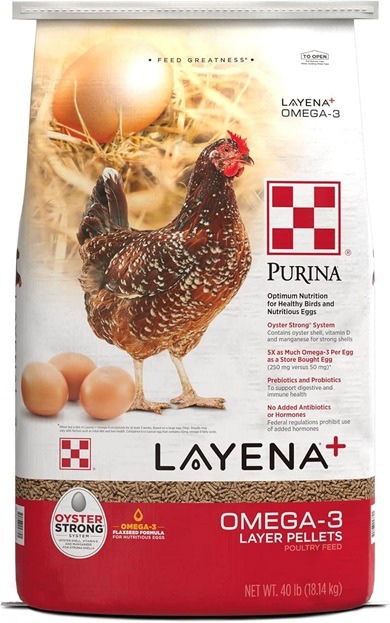
Purina Layena Omega 3 Layer Feed Pellets, 16% Protein, 40# Bag
4.3/5.0 Rating
Main Highlights
What We Like
- Good Calcium to Phosphorus ratio
- Contain Source of Omega 3
- Contains Probiotic and Herbs
What We Don’t Like
- Contains fillers
- Customer rating slightly low
- No Animal-based proteins
Best Non-Organic Layer Feed
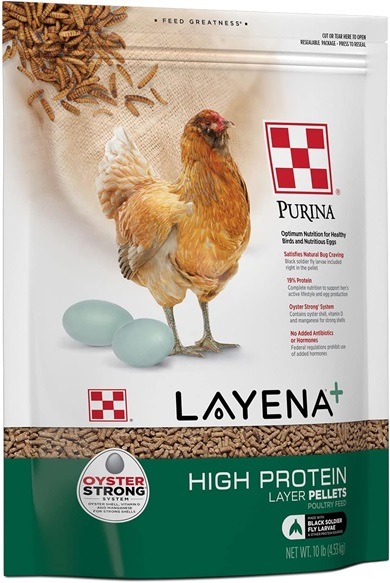
Purina Layena Layer Feed Pellets, 16% Protein, 25# Bag
4.5/5.0 Rating
Main Highlights
What We Like
- Contains Probiotics
- Does not contain molasses
- Good Customer rating
What We Don’t Like
- Contains Corn and Soy
- Doesn’t contain Source of Omega 3 or Herbs
Key Considerations for Choosing Chicken Feed
When selecting the best feed for your laying hens, consider the following key factors:
Nutritional Content
When choosing a feed for laying hens, it’s crucial to select one specifically formulated with balanced levels of protein, vitamins (especially vitamin D and calcium), and minerals. Considering the nutritional content of chicken feeds is essential because it directly impacts the health and well-being of your chickens. Moreover, a well-balanced and nutrient-rich feed ensures your laying hens receive the necessary vitamins, minerals, and proteins they need to thrive and produce high-quality eggs. Additionally, the feed must be nutritionally balanced to meet all the demands of your laying hen. A complete feed should contain sufficient energy, protein, amino acids, vitamins, minerals, and trace elements to fulfill the hen’s daily nutrient requirements.
Quality Ingredients
Select layer feeds made from top-quality ingredients that are free of fillers and artificial additives to provide your chickens with optimal nutrition. Because chicken feed ingredients can vary significantly, it’s important to carefully evaluate them. Premium ingredients like whole grains and natural proteins deliver a well-rounded and nutritious diet for your flock. On the other hand, low-grade fillers and by-products may lack essential nutrients and could even negatively impact your chickens’ health. Therefore, it’s wise to prioritize feeds that include high-quality, naturally occurring animal-based proteins over synthetic alternatives.
Avoid ingredients like palm kernel meal, sugary binders such as molasses, and inexpensive fillers like copra and canola. When feeding laying hens, it’s crucial to choose a feed that is specifically designed for egg production. Chick crumble or grower pellets are not suitable for laying birds as they do not meet the nutritional requirements of hens.
Additionally, consider feeds that incorporate blood meal, meat and bone meal, or other animal-based proteins, and steer clear of synthetic proteins. The crude protein content should be around 16% to 18%, as the minimum requirement for laying hens is 16%. While 16% protein is adequate for basic egg production, providing more than the minimum may for short periods of time can enhance your hens’ health while going through molts, reduce feather pecking, and increase egg output. Caution should be noted that higher percent of protein for long periods of time runs the risk of harming chickens kidneys. Commercial egg producers often use feeds with 18.5% protein to maximize egg production, which is vital for their business operations.
Formulation of layer feed
When choosing between chicken layer crumbles, mash, or pellets for your laying hens, several key considerations should guide your decision. Chicken layer crumbles offer a middle ground in terms of size and are easier for chickens to eat, making them a popular choice for many flock owners. They provide consistent nutrition and reduce waste compared to mash. Chicken layer mash is a finer feed, which some chickens prefer, but it can lead to more waste due to its powdery texture, as chickens tend to scratch and scatter it. However, mash can be beneficial for younger or smaller birds that might struggle with larger feed particles. Chicken layer pellets are the most compact and uniform option, reducing waste significantly since they are less likely to be scattered. Pellets also offer convenience in feeding, ensuring each hen receives a balanced intake of nutrients. Ultimately, the choice depends on your hens’ preferences, the level of waste you can manage, and your feeding setup, as each form has its benefits in terms of nutritional delivery and ease of use.
Supplimental Additives
When considering supplementing the diet of laying hens, it’s important to focus on the benefits and potential impacts on egg quality and overall health. Feeds enriched with omega-3 fatty acids, for instance, can significantly enhance the nutritional value of the eggs, producing healthier and richer yolks. Probiotics in the feed support gut health, improving digestion and boosting the immune system, while herbal supplements can provide additional health benefits, such as natural anti-inflammatory and antioxidant effects. While these supplements can improve egg quality and support your hens’ well-being, it’s crucial to maintain a balanced diet. Other feed sources, such as vegetable scraps, grains, and pasture or hay, can be included, but only in moderation. Overfeeding these items can dilute the hens’ intake of essential nutrients from their primary feed, potentially leading to reduced egg production. The key is to supplement wisely, ensuring that any additions complement rather than compromise the hens’ nutritional needs.
Palatability
When selecting chicken layer feed, palatability is a crucial consideration, as chickens, like any other animals, have their own taste preferences. Choosing a feed that your chickens find appealing ensures they consume enough to meet their nutritional needs. If the feed is unappetizing to your hens, they may not eat sufficient amounts, which can lead to nutrient deficiencies, health problems, and reduced egg production. Ensuring the feed is not only nutritionally balanced but also enjoyable for your chickens is essential for maintaining their overall health and optimal performance. Therefore, paying attention to how your hens respond to different feeds can help you choose one that they will consistently consume, supporting their well-being and productivity.
Performance
The performance of your laying hens, particularly in terms of egg production, is directly influenced by the quality of the feed they consume. A feed that is deficient in essential nutrients or lacks palatability can lead to subpar performance, resulting in lower egg production, and potential health issues. By choosing a high-quality feed that is nutritionally balanced and appealing to your hens, you can help ensure they reach their full potential. Proper nutrition supports consistent egg production and overall vitality, which are crucial for maintaining a productive flock.
Final Verdict
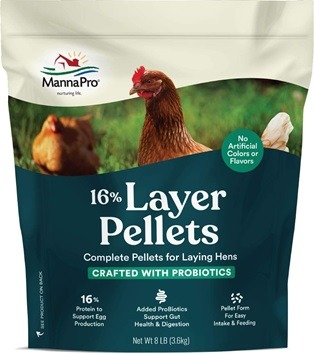
To select the best chicken layer feed, assess your flock’s specific needs and prioritize factors like nutrition, cost, quality, and environmental impact. Purina provides reliable and accessible options, Manna Pro offers added health benefits with probiotics. By balancing these factors, you’ll support your hens’ egg production, shell quality, and overall health, ensuring they thrive and continue to provide delicious and nutritious eggs for years to come.